
Flu Policy & Informational Links
Comprehensive Connections strives to provide a safe and healthy workplace for all employees. The following pandemic flu policy outlines our overall response to a pandemic flu outbreak and our emergency preparedness and business continuity plan. It outlines specific steps Comprehensive Connections takes to safeguard employees’ health and well-being during a flu pandemic, while ensuring Comprehensive Connections’ ability to maintain essential operations and continue providing essential services to our customers. In addition, it provides guidance on how we intend to respond to specific operational and human resource issues in the event of a pandemic.
Comprehensive Connections
Pandemic Flu Policy
Local Resources
-
Jefferson County Health Department – (618) 244-7134
-
Crossroads Community Hospital – (618) 244-5500
-
SSM Health Good Samaritan Hospital – (618) 242-4600
-
Litton Ambulance Service – (618) 244-3111
-
Mt Vernon Police Department – (618) 242-2727
-
Jefferson County Sherriff’s Office – (618) 244-8015
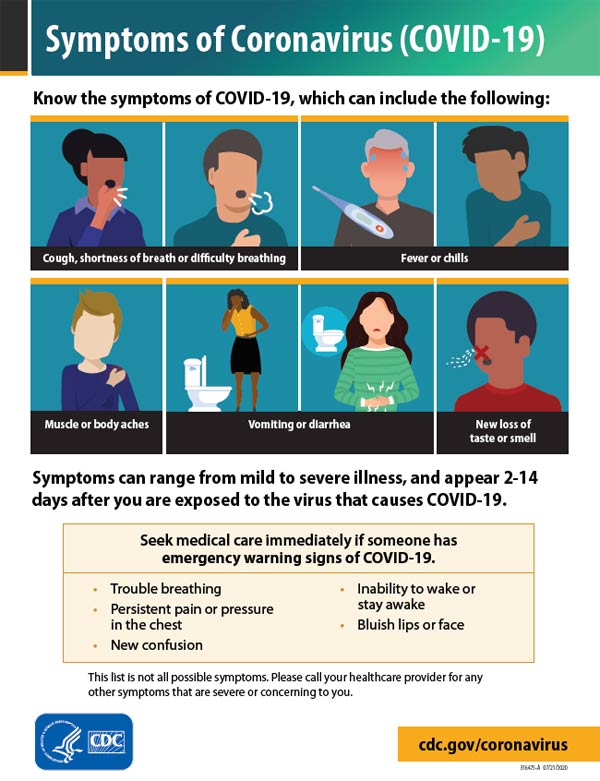
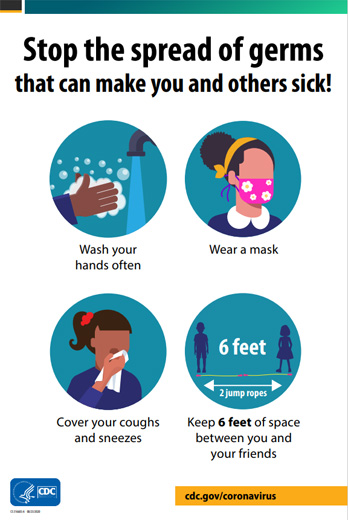
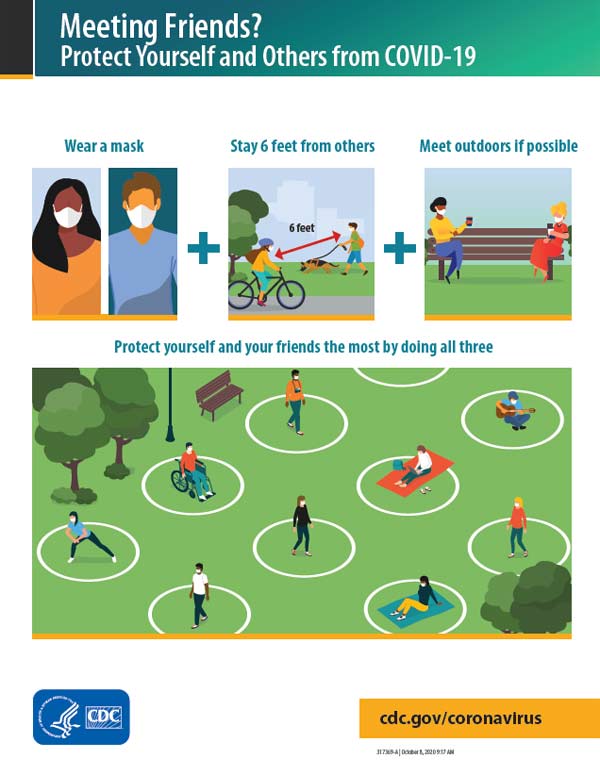
CDC Website for Covid-19
State of IL Covid-19 Response
IL Department of Public Health –
Covid-19
World Health Organization –
Covid-19
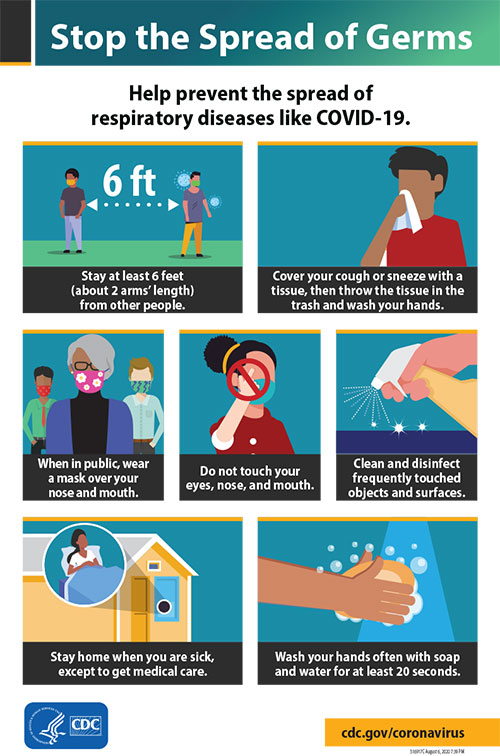

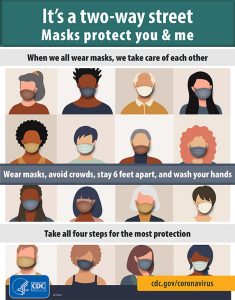
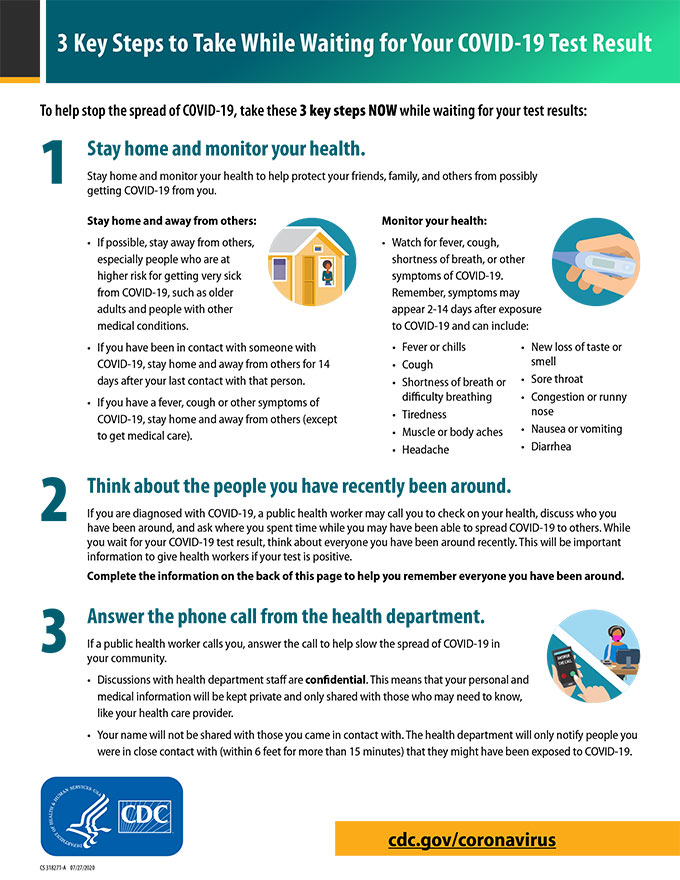
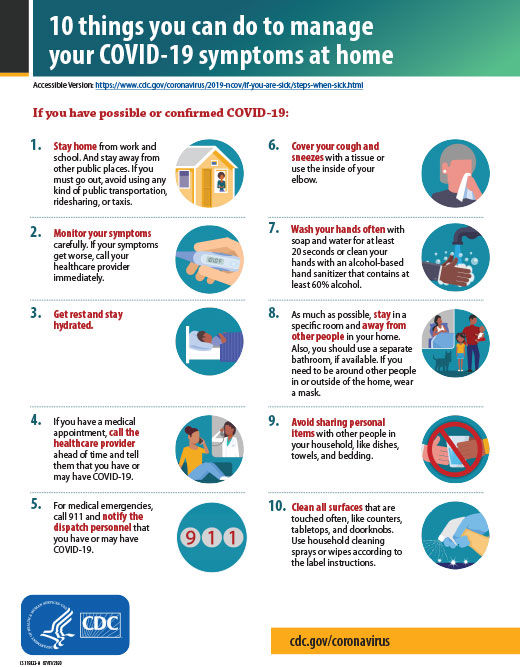
Previous
Next
Mental Health Tips
Coping With Stress
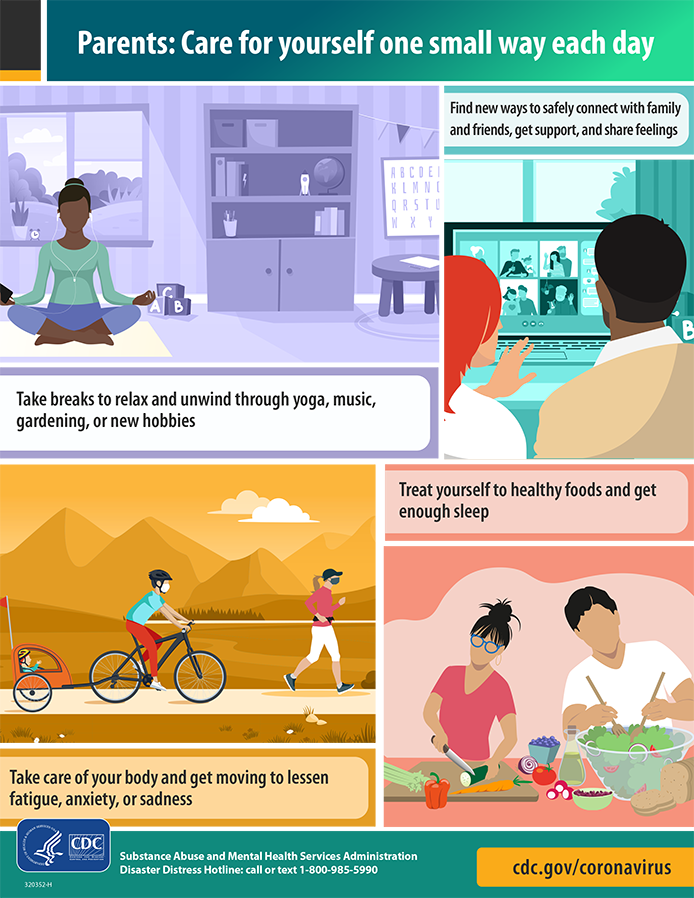
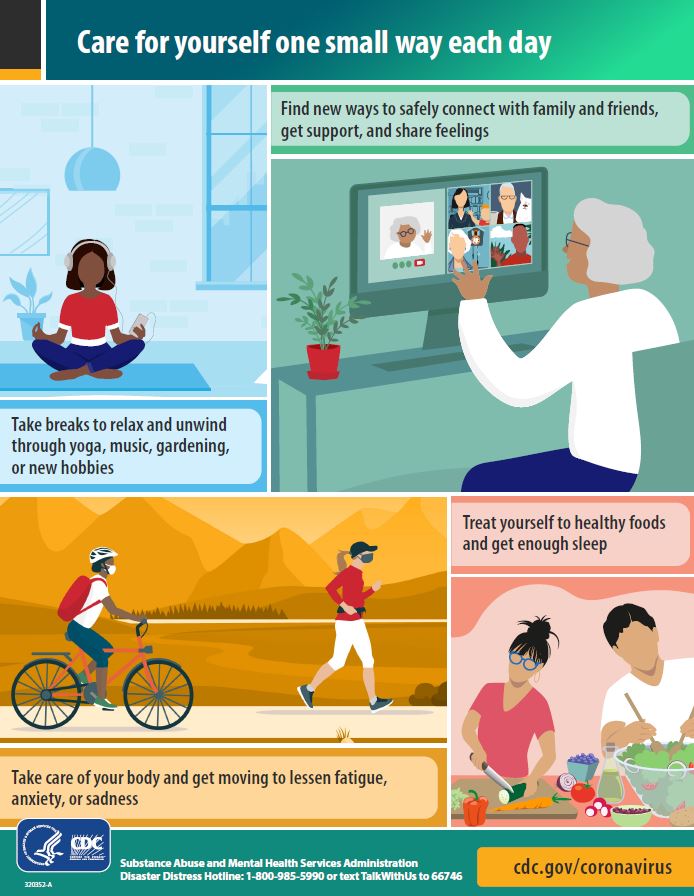
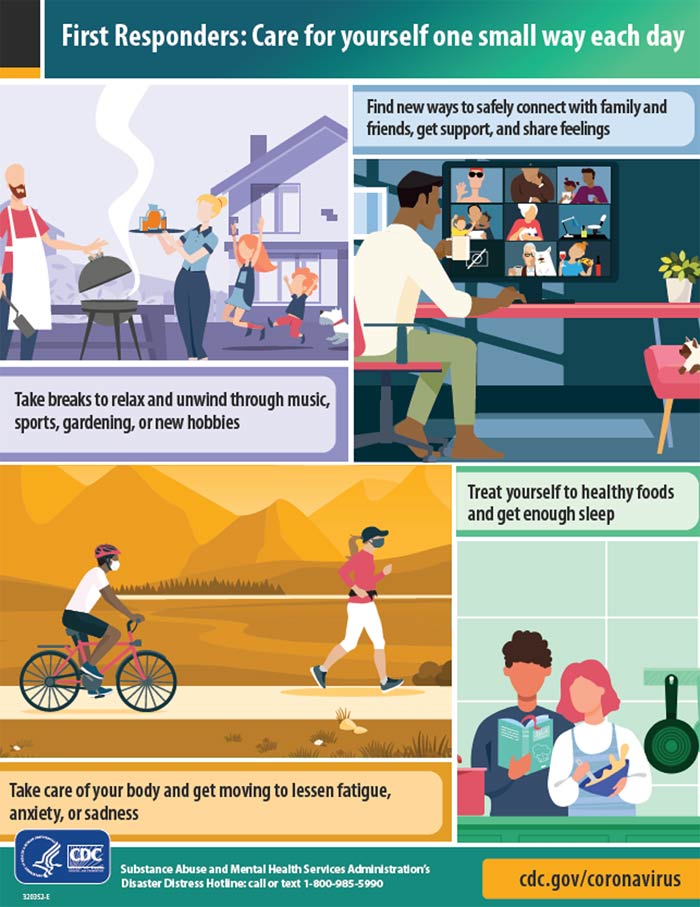
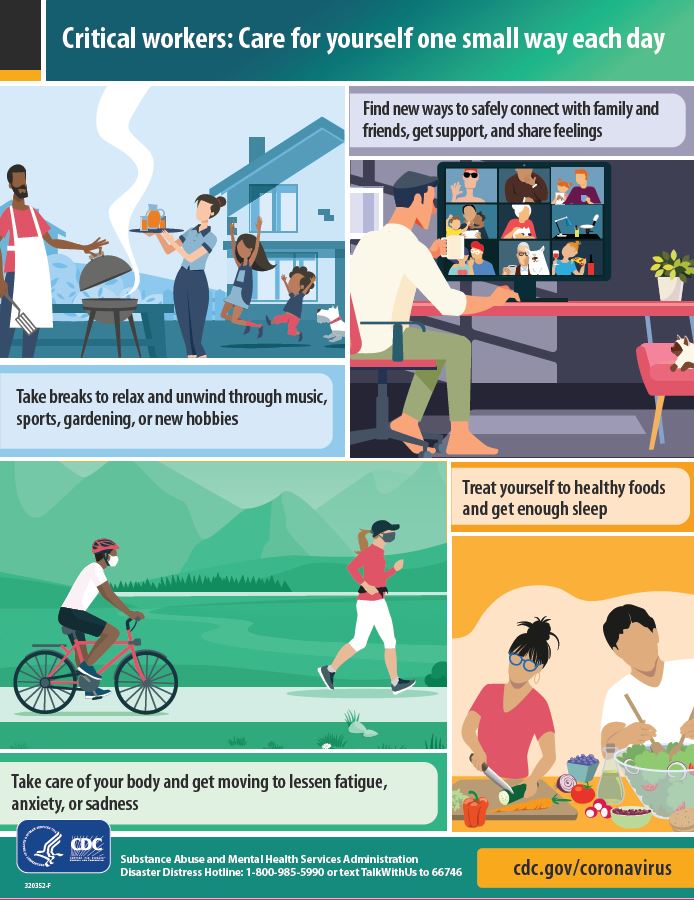
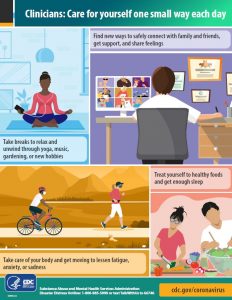
Try to eat healthy well-balanced meals, exercise regularly, and get plenty of sleep. Avoid alcohol, tobacco, and other drugs.
Share your concerns and how you are feeling with a friend or family member. Maintain healthy relationships, and build a strong support system.
Make time to unwind and remind yourself that strong feelings will fade. Try taking in deep breaths. Try to do activities you usually enjoy.
When you feel that you are missing information, you may become more stressed or nervous. Watch, listen to, or read the news for updates from officials. Be aware that there may be rumors during a crisis, especially on social media. Always check your sources and turn to reliable sources of information like your local government authorities.
Avoid Too Much Exposure to News
Take breaks from watching, reading, or listening to news stories. It can be upsetting to hear about the crisis and see images repeatedly. Try to do enjoyable activities and return to normal life as much as possible and check for updates between breaks.
If distress impacts activities of your daily life for several days or weeks, talk to a clergy member, counselor, or doctor, or contact the SAMHSA helpline at 1-800-985-5990.
Tips for Social Distancing, Quarantine, and Isolation During an Infectious Disease Outbreak
Remember, you are NOT alone!
If you are experiencing a mental health emergency, call our 24 hour crisis line at 618-242-1512. An operator will take your call and put you in contact with someone who can help.